

7 Ways to Keep Your Home Cool During a Heatwave

When an Illinois heatwave arrives, your air conditioner can quickly become the hardest-working appliance in your home. Long stretches of high temperatures force your cooling system to run for extended periods, increasing energy use and putting additional strain on components. While you can’t control the weather, you can take several practical steps to keep your home cooler and reduce the amount of work your AC has to do.
If you’re trying to stay comfortable without watching your energy bills climb, these seven strategies can help.
1. Keep Your Blinds and Curtains Closed
Sunlight coming through your windows can significantly increase indoor temperatures, especially on south- and west-facing sides of the home. During the hottest parts of the day, keep blinds, curtains, or shades closed to limit direct sunlight.
If certain rooms receive intense afternoon sun, consider using blackout curtains or insulated window coverings. You don’t necessarily need to keep every window covered all day. Focus on the areas receiving the most direct sunlight. At night, when outdoor temperatures drop, you can open windows if conditions allow and use cooler outdoor air to help reduce the heat stored inside your home.
2. Give Your Air Conditioner a Break When You Can
Your AC is designed to run during hot weather, but there are ways to reduce the amount of cooling it needs to provide. Avoid using ovens, stovetops, and other heat-producing appliances during the hottest part of the day whenever possible. Try grilling outside, using a slow cooker, or preparing meals that don’t require much cooking.
You can also turn off unnecessary lights and electronics that generate heat. Every little bit helps when your air conditioner is already working hard.
3. Use Ceiling and Portable Fans Strategically
Fans don’t actually lower the temperature of a room, but they can make you feel cooler by moving air across your skin. This means you can sometimes raise the thermostat slightly while maintaining a comfortable environment. Use ceiling fans counterclockwise during summer to push cool air downward. Portable fans can also improve air circulation in rooms where airflow tends to feel stagnant.
Remember to turn fans off when nobody is in the room. Since fans cool people rather than the actual air, leaving them running in an empty room simply wastes electricity.
4. Check Your HVAC Air Filter
A dirty air filter can restrict airflow and force your AC system to work harder to circulate conditioned air. Before or during a heatwave, check your filter. If it’s visibly dirty or clogged, replace it with the appropriate filter for your system.
Regular filter replacement supports proper airflow, helps maintain system efficiency, and can improve indoor air quality. It’s one of the simplest HVAC maintenance tasks homeowners can handle themselves.
5. Don’t Make Dramatic Thermostat Changes
It can be tempting to turn the thermostat way down when you walk into a hot house. However, setting it extremely low doesn’t necessarily make the system cool your home faster. Instead, choose a comfortable temperature and allow your AC to work steadily. Constantly changing the thermostat can make it harder to maintain consistent comfort and may increase energy consumption.
During a heatwave, setting your thermostat a few degrees higher than usual when you’re away can also reduce cooling demand without allowing your home to become excessively hot.
6. Make Sure Your Outdoor Unit Can Breathe
Your outdoor condenser needs adequate airflow to release the heat removed from your home. During summer, make sure grass, weeds, leaves, branches, and other debris aren’t crowding the unit.
Keep the area around the condenser clear and avoid placing objects directly against it. If the unit becomes heavily obstructed or dirty, professional cleaning may be necessary. Don’t attempt to open electrical panels or perform internal repairs yourself. Leave those tasks to a qualified HVAC professional.
7. Know When Your AC Needs Professional Attention
Even the best home cooling strategies can’t compensate for an air conditioner that’s struggling with a mechanical problem. Pay attention to warning signs such as:
- Warm air coming from vents
- Weak airflow
- Strange noises
- Unusual odors
- Water around the indoor unit
- Excessive humidity
- Frequent cycling
- The system running continuously without maintaining your desired temperature
These problems can become more serious when your AC is under constant heatwave-related demand. Getting repair service early can help prevent a minor issue from turning into a complete breakdown.
Don’t Wait for Your AC to Give Out
Heatwaves put HVAC systems to the test. Taking a few preventative steps can help your home stay cooler while reducing unnecessary strain on your equipment. However, if your air conditioner is already struggling, don’t wait until the hottest day of the year to address it.
Comfort Zone Service has served Mokena homeowners since 1988. If your AC needs maintenance, repair, or replacement before the next heatwave arrives, we’re ready to help. Contact us today to schedule professional HVAC service and keep your home comfortable through the Illinois summer.

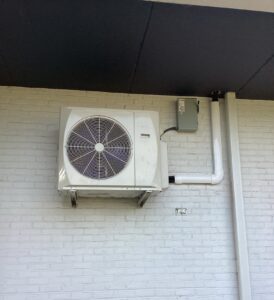 A ductless mini-split is designed to keep your home comfortable while quietly removing excess humidity from the air. As it cools your home, condensation naturally forms inside the indoor unit and drains away through a condensate line. When everything is working properly, you’ll never notice the moisture leaving the system.
 Choosing a new cooling system is a significant investment, and homeowners often find themselves comparing two of the most popular options: central air conditioning and ductless mini-split systems. While both are designed to keep your home comfortable during the summer, they operate differently and offer distinct advantages depending on your home’s layout, your comfort goals, and your budget.
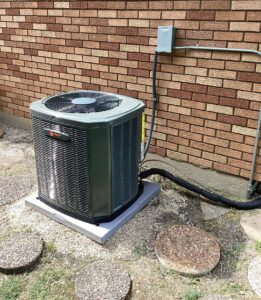 After months of cold weather in Illinois, many homeowners assume their air conditioner will be ready to go the moment temperatures rise. Unfortunately, that is not always the case. Air conditioning systems sit unused for much of the winter, and small issues can develop without obvious warning signs. When the first hot day arrives, those hidden problems often become impossible to ignore.
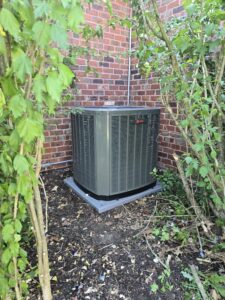 As winter fades in Mokena, most homeowners are ready to turn off the heat and enjoy milder temperatures. But the shift from furnace use to air conditioning season is not always gradual. In Illinois, that first warm stretch often brings more than just rising temperatures. It brings humidity. And that sudden moisture in the air can put immediate strain on an HVAC system that has not been prepared for the change.