

How Much Does It Cost to Replace an AC Unit in Illinois?
 Replacing an air conditioner is a major home expense, and one of the first questions homeowners ask is, “How much is this going to cost?” The answer depends on several factors, including the size of your home, the type of equipment you choose, the condition of your existing system, and the complexity of the installation.
For homeowners in Illinois, it also helps to think beyond the price of the equipment itself. A properly installed AC system needs to be correctly sized for the home, matched with compatible components, and installed by experienced professionals. The lowest initial price isn’t necessarily the same thing as the lowest long-term cost.
What Is the Average Cost to Replace an AC Unit?
A typical residential air conditioning replacement in Illinois can cost roughly $5,000 to $12,000 or more, depending on the project. Smaller or straightforward replacements may fall toward the lower end of that range, while larger homes, higher-efficiency equipment, difficult installations, or additional system upgrades can push the total higher. Because every home is different, an HVAC contractor should evaluate your existing system and home before providing an exact replacement price.
It’s also important to distinguish between replacing only an outdoor condenser and replacing the complete air conditioning system. A full replacement may include the outdoor condenser, indoor evaporator coil, refrigerant lines or connections, thermostat, and installation labor.
What Affects AC Replacement Cost?
Several factors influence what you’ll pay for a new air conditioner.
System Size
Larger homes generally require more cooling capacity than smaller homes. However, bigger isn’t automatically better. An AC system that’s too large for the home can cycle improperly and may not remove humidity effectively. A professional load calculation helps determine the appropriate system size.
Energy Efficiency
Higher-efficiency air conditioners can cost more upfront but may use less electricity during the cooling season. Your contractor can explain efficiency ratings and help you compare the expected operating costs of different equipment options.
Existing Ductwork
If your existing ductwork is in good condition and properly sized, it may be possible to connect your new system without major modifications. However, damaged, undersized, or leaky ductwork may need attention during the replacement. Addressing those problems can improve airflow and help your new equipment perform as intended.
Installation Complexity
The layout of your home and location of the equipment can also affect installation costs. A straightforward replacement may require less labor than a project involving difficult equipment access, electrical upgrades, refrigerant line modifications, or other changes.
Thermostat and Other Components
Replacing an AC system may also be an opportunity to upgrade your thermostat or other HVAC components. Smart thermostats, improved filtration, and other accessories can add to the initial investment while providing additional functionality.
Should You Repair or Replace Your AC?
Cost is often part of the decision between repairing an existing air conditioner and replacing it. If your system is relatively young and needs a minor fix, repairing it may make sense. On the other hand, an older system that requires frequent repairs can become increasingly expensive to keep operating.
Consider replacement if your AC is:
- More than 10 to 15 years old
- Requiring frequent repairs
- Increasing your energy bills
- Struggling to maintain comfortable temperatures
- Using outdated refrigerant
- Experiencing significant mechanical problems
A professional evaluation can help you compare the expected cost of continued repairs with the investment required for a new system.
Does a More Expensive AC Save Money?
A higher-efficiency model may reduce energy consumption, but you’ll want to consider the difference in purchase price and your expected cooling usage. Your HVAC contractor can help you understand the available options rather than automatically recommending the most expensive equipment.
Proper installation is also critical. Even an efficient air conditioner can underperform if it isn’t correctly sized, installed, or maintained.
Are Financing Options Available for New ACs?
Many HVAC companies offer financing options for qualifying homeowners. Financing can make a major replacement easier to budget for by spreading payments over time rather than requiring the entire project cost upfront.
At Comfort Zone Service, we offer financing subject to applicable terms and approval. If you’re considering replacement, ask about available options when discussing your project.
How Can You Prepare for an AC Replacement?
If you think your air conditioner may be nearing the end of its life, don’t wait until it fails during the hottest week of summer. Start by having your system evaluated before you urgently need replacement. This gives you time to compare equipment options, ask questions, review installation recommendations, and plan for the expense.
An early evaluation can also help identify whether your current system has enough life left to continue operating or whether replacement should be considered soon.
Get a Personalized AC Replacement Estimate
When replacing an AC unit, there isn’t one price that applies to every Illinois home. The best way to understand what your replacement will cost is to have your home and existing HVAC system evaluated by a qualified professional.
Comfort Zone Service has been serving homeowners since 1988. We’re a family-owned HVAC company providing air conditioning replacement and installation in Mokena and surrounding communities. If your AC is aging, requiring frequent repairs, or struggling to keep your home comfortable, contact Comfort Zone Service today to schedule an evaluation and get a personalized recommendation for your home.



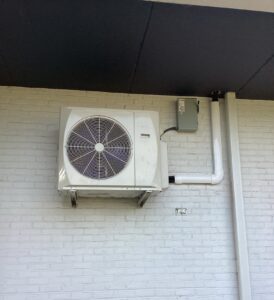 A ductless mini-split is designed to keep your home comfortable while quietly removing excess humidity from the air. As it cools your home, condensation naturally forms inside the indoor unit and drains away through a condensate line. When everything is working properly, you’ll never notice the moisture leaving the system.
 Choosing a new cooling system is a significant investment, and homeowners often find themselves comparing two of the most popular options: central air conditioning and ductless mini-split systems. While both are designed to keep your home comfortable during the summer, they operate differently and offer distinct advantages depending on your home’s layout, your comfort goals, and your budget.
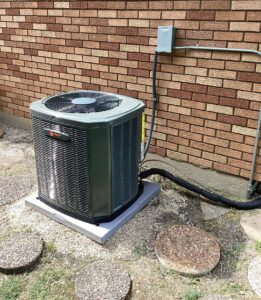 After months of cold weather in Illinois, many homeowners assume their air conditioner will be ready to go the moment temperatures rise. Unfortunately, that is not always the case. Air conditioning systems sit unused for much of the winter, and small issues can develop without obvious warning signs. When the first hot day arrives, those hidden problems often become impossible to ignore.
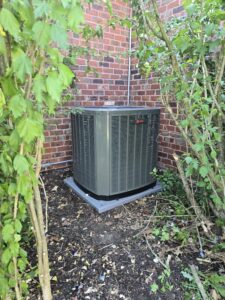 As winter fades in Mokena, most homeowners are ready to turn off the heat and enjoy milder temperatures. But the shift from furnace use to air conditioning season is not always gradual. In Illinois, that first warm stretch often brings more than just rising temperatures. It brings humidity. And that sudden moisture in the air can put immediate strain on an HVAC system that has not been prepared for the change.