
  • Proudly family-owned, serving our community with care

Author: Kevin

How To Prepare Your Water Heater for a Chicago Winter

Technician adjusting temperature on a white tank water heater

Winters in Chicago can be harsh, with freezing temperatures that can take a toll on your home’s appliances, including your water heater. Neglecting proper winterization of your water heater can lead to a host of issues, from decreased efficiency to potential breakdowns.

To ensure a steady supply of warm water throughout the coldest months, here are some essential steps to prepare your water heater for a Chicago winter.

[cta_shortcode]

Insulate Your Storage Tank & Pipes

One of the key ways to protect your water heater from the winter chill is to insulate the storage tank and pipes. Insulation helps retain heat, reducing the workload on your water heater and preventing energy wastage.

Wrap your water heater tank with an insulation blanket, readily available at hardware stores. Also insulate the exposed water pipes. This simple step goes a long way in maintaining water temperature and energy efficiency.

Adjust the Temperature

While it might be tempting to crank up the temperature on your water heater during winter, it’s crucial to strike a balance. Setting the temperature too high not only poses a scalding risk but can also lead to increased energy consumption.

The recommended temperature setting is around 120 degrees Fahrenheit. This ensures a comfortable water temperature while minimizing the risk of overheating and energy wastage.

Flush the Tank

Over time, sediment and minerals can accumulate at the bottom of your water heater tank, affecting its efficiency. Before winter sets in, take the time to flush the tank. Connect a hose to the drain valve at the bottom of the tank and let it run until the water runs clear.

This simple yet effective maintenance task helps prevent sediment buildup, ensuring your water heater operates at peak performance.

[cta_shortcode]

Set Safe Winter Temperature

Follow these steps to safely set the temperature for your water heater in colder weather.

Step 1: Set the thermostat to 120-125°F

Chicago winters make hot showers feel extra nice, but cranking your water heater too high is not the way to get them. For most homes, a winter setting between 120 and 125 degrees Fahrenheit hits the sweet spot. That range keeps showers comfortable, helps reduce bacteria growth in the tank, and cuts down on wasted energy from overheating the water. If you are not sure where your dial sits now, take a moment to check it before the coldest weather hits.

Households with young kids or older adults may want to stay closer to 120 degrees to lower the risk of scalding at the tap. If your water never feels warm enough at that setting, it is a sign to talk with a pro about sizing or performance instead of turning the dial higher. For help dialing in the right setting and checking that your system is heating the way it should, schedule professional water heater service before deep winter sets in.

Step 2: Test the TP valve for safe operation

The temperature and pressure relief valve, or TP valve, is a small safety device that protects your tank if pressure or temperature climbs higher than it should. It is usually located near the top of the tank, with a small lever and a discharge pipe that runs down the side. If this valve sticks or fails, your water heater can run in dangerous conditions.

During fall maintenance, a technician will check that the valve moves freely and that the discharge line is clear and directed to a safe location. If you ever see water dripping from the TP pipe or pooling around its end, treat that as a warning that the valve or the system needs attention. Do not plug or cap this pipe. Instead, have a licensed plumber inspect the valve and the tank so your water heater keeps its built-in safety protection.

Flush Sediment and Check the Anode

Step 3: Drain 2-3 gallons to purge sediment

Chicago’s water can leave a layer of minerals and grit at the bottom of your tank as months go by. That sediment forces the burner or heating element to work harder and can make the water heater noisier when it runs. As part of your winter prep, it helps to have a plumber drain two or three gallons from the tank through the drain valve.

That small draw pulls a good amount of sediment out without taking the whole system offline for long. The water should start cloudy and gradually clear as sediment washes away. If the water never clears, or if the valve is stuck, that is a sign your tank needs more attention than a quick rinse. A professional can handle this task safely, check the drain valve, and recommend any needed water heater repair if they spot leaks, rust, or other trouble during the flush.

Step 4: Inspect the anode rod and replace if needed

The anode rod inside your tank does the silent work that makes a big difference for winter reliability. It is a metal rod, usually magnesium or aluminum, that slowly corrodes to prevent the steel tank from rusting as quickly. When the anode is in good shape, it attracts corrosion and helps the tank last longer. When it wears down to a thin core, the tank loses that protection and can start to rust from the inside.

During a seasonal check, a plumber can remove the anode rod, look for heavy pitting or a very thin remaining core, and replace it if needed. This is not something to guess at on your own, since it involves working with pressurized, hot water and threaded fittings on top of the tank. Regular anode checks are an easy way to support a longer tank life and fewer winter surprises.

Insulate and Freeze-Proof Your Tank

Step 5: Insulate pipes and add a tank blanket in unheated areas

In Chicago, any water heater that sits in a cold garage, unfinished basement, or drafty utility room needs extra protection once the temperature drops. Insulating the first several feet of hot and cold pipes above the tank helps keep heat in the water and lowers the risk that a cold snap will freeze a line near the heater. Foam pipe sleeves are a simple upgrade a technician can add during a visit.

In some setups, a properly rated tank blanket can also help the heater hold heat in a cold space, which reduces strain on the burner or elements and helps the tank recover more quickly after heavy use. If your current unit is in a tough location or you have had freeze scares in the past, it might be time to discuss relocating the system or planning a future water heater installation that better suits your home. A quick insulation check now can make winter mornings a lot less stressful.

Schedule Water Heater Maintenance in Chicago

Regular maintenance is key to the longevity and efficiency of your water heater, especially in the face of winter challenges. Consider scheduling professional maintenance with a trusted company like Comfort Zone Service.

As a family-owned and -operated business, we understand the unique demands of Chicago winters. Our same-day service ensures that your water heater receives prompt attention, minimizing the risk of unexpected issues.

By joining the Comfort Club, you gain access to added perks, including repair discounts and warranties. Routine maintenance prevents potential problems and maximizes energy efficiency, saving you money in the long run.

Don’t wait until winter is in full swing — schedule your water heater maintenance today to stay ahead of the cold weather.

Schedule water heater maintenance today by calling Comfort Zone Service at [site_info_phone_number].

Do You Need a Home Humidifier This Winter?

When the air gets cold, it loses its capacity to hold water vapor. Lower temperatures cause air molecules to move more slowly and cluster together, which increases the rate of condensation. The heat from your home’s heating system further depletes moisture from the already low-moisture air, leaving your indoor environment even drier. A home atmosphere that feels uncomfortably dry can take a toll on both your health and the condition of your house. That’s why whole-home humidifiers are a true winter essential.

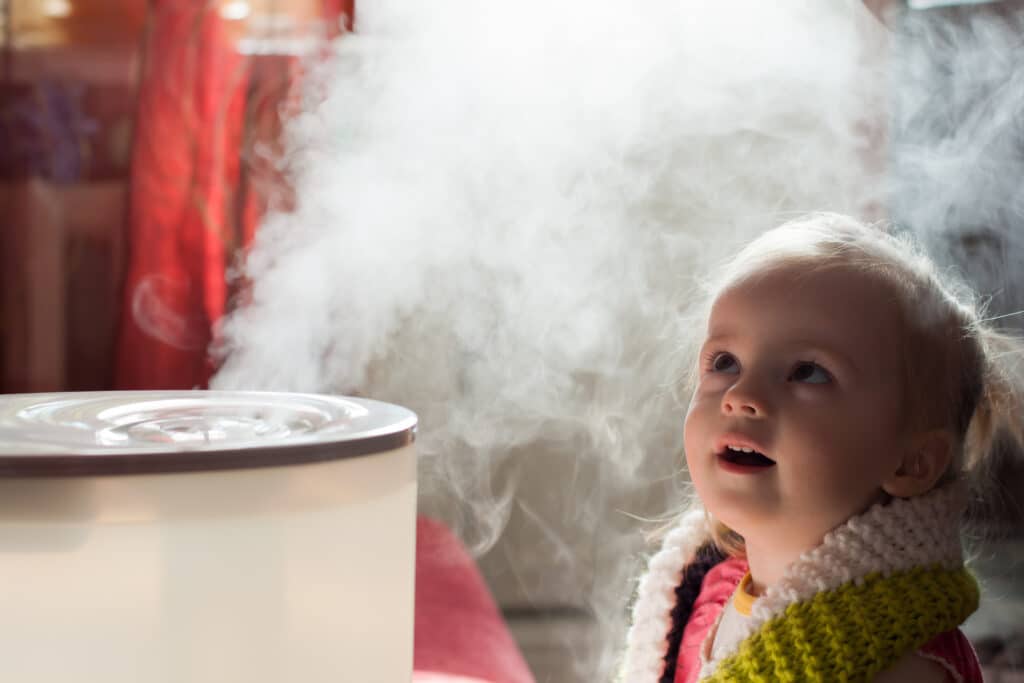
Child looking at home humidifier

Signs You Need a Home Humidifier

The first sign that you need a humidifier is when you experience irritated sinuses or nosebleeds. The lining of your respiratory system is meant to be moist. This helps maintain the integrity of cells, facilitates gas exchange, traps pathogens, and reduces surface tension. If you strip away this protective moisture by breathing in excessively dry air, tissue becomes irritated, inflamed, and vulnerable. The results can include nosebleeds, asthma flares, allergy symptoms, difficulty breathing, a scratchy throat, and persistent coughing.

You can also experience dry skin and chapped lips. Again, dry air will strip moisture from your skin and hair, leaving them brittle, itchy, and uncomfortable. Over time, this can lead to a flaking scalp, cracked skin and lips, and an overall unhealthy appearance.

Another sign you need a humidifier is poor indoor air quality. Dry air keeps particles light and airborne, so dust, fumes, debris, and allergens remain suspended longer instead of settling. This means you’ll be more exposed to an increase in irritants, which can worsen allergy symptoms, trigger asthma attacks, and make sleeping difficult.

Home Humidifier Types and Sizing

For better health and indoor comfort, you must choose the best humidifier design for your home. There are many types, models, and capacities available on the market today. You may need professional help through this process.

The main types of humidifiers include evaporator, impeller, steam, and ultrasonic. Evaporative humidifiers are fan-powered, single-unit systems that work by blowing moisture into the air through a damp filter, wick, or belt.

Impeller humidifiers utilize rotating disks that spin at high speeds to release a cool mist into the air. Homeowners with children prefer them because they don’t use heat, making them safer to operate in family environments.

Steam vaporizers heat water to create steam, which cools slightly before being released into the air. Meanwhile, ultrasonic humidifiers use high-frequency vibration to produce a fine mist, which is then distributed throughout the home.

For sizing consideration, you’ll need a professional HVAC inspection, especially if you are considering a whole-home system. The appropriate humidifier capacity must factor in your property’s size and layout, the number of household occupants, the type of HVAC system you use, energy-efficiency goals, and any desirable features or capabilities.

Home Humidifier Settings and Smart Controls

The settings and controls of your humidifier will depend on the type and model you purchase. However, there are certain similarities across most units that make the operation straightforward. For starters, if you have a humidifier that can pair with your smart thermostat, you can set it to automatically regulate indoor humidity levels based on real-time conditions. This is why thermostat placement is very important. It must accurately read the room to ensure your humidifier responds correctly. Avoid areas near drafts, direct sunlight, or heat sources.

You should also understand the best humidity levels for your home. Typically, the ideal range is between 30% and 50%. Levels below 30% can cause dry air discomfort, while levels above 50% may encourage mold growth, dust mite proliferation, and condensation problems.

[cta_shortcode]

Home Humidifier Maintenance and Care

If you have a portable humidifier, empty any standing water and dry the base of the tank every two to three days. This will not only prevent mineral growth but also reduce the risk of mold and bacteria growth. Stagnant water is a breeding ground for microorganisms. If left unchecked, your humidifier could end up dispersing harmful particles into the air instead of clean, moist air.

For whole-home humidifiers, replace the filter or pad before the winter season begins and after the season ends. Doing this also prevents mineral deposits or microbial growth inside the unit. More importantly, design a maintenance plan with your trusted HVAC technician. They will ensure sensors are functioning optimally, water lines are clear, and any premature damage or wear is addressed before it becomes a costly repair.

Install a Home Humidifier Before Peak Winter

Schedule service with Comfort Zone Service today to install, repair, or maintain your humidifier. We are an A+-rated HVAC company with nearly four decades of trusted experience serving homeowners in Chicago’s Southwest Suburbs. Call Comfort Zone Service for humidifier services in Chicago today.

11 Furnace Tune-Up Tasks for November

November’s freezing nights and harsh lake-effect winds make this the time when Chicagoland heating systems face their first and biggest test. Drafts and uneven temperatures can add a heavy strain to your system, especially in older homes. Before deep winter sets in, follow these 11 furnace tune-up tasks to improve safety and efficiency.

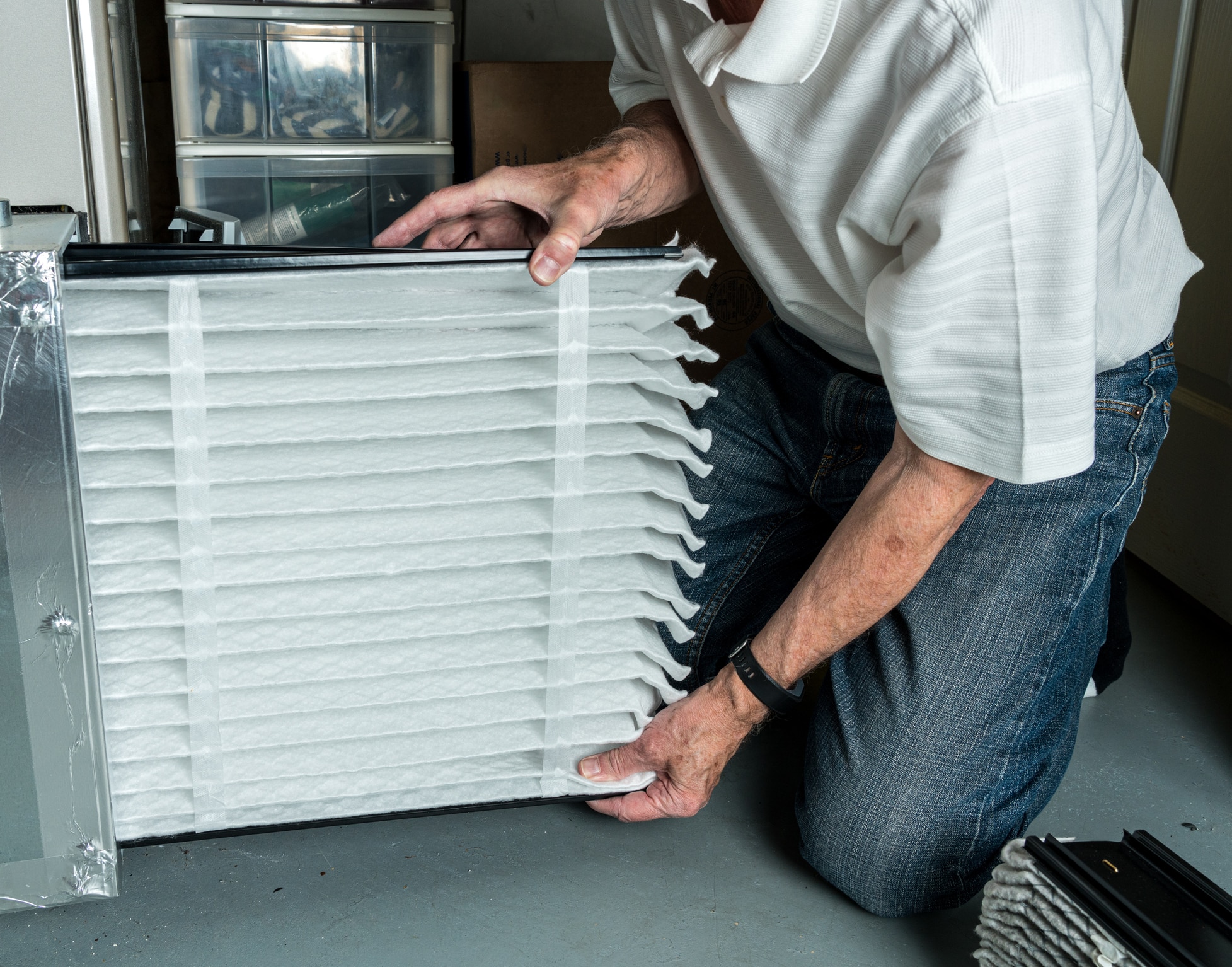
Technician replacing furnace filter

1. Start with Safety: Power, Gas, and CO Alarms

Begin your tune-up session by checking safety essentials. Switch your furnace off at the breaker before inspecting components. Make sure you know the location of your gas shutoff valve. Test all carbon monoxide detectors that are in your home since leaks can quickly become dangerous.

If you’ve noticed unusual smells, inconsistent heating, or frequent restarts, schedule your professional HVAC inspections before winter. We will verify safe operation, proper combustion, and correct gas pressure. You can also ask for a system balancing service for safer operation to make sure heat moves evenly through every vent.

2. Clear the Furnace Area

Clutter near your furnace restricts airflow and creates fire hazards. Move storage bins, boxes, paint cans, and salt containers at least 3 feet away from the unit. Keep the return pathway unobstructed, and never store items on or against the furnace. Maintaining clear space helps your system “breathe” more easily and prevents overheating. For comprehensive care, schedule heating services in Orland Park to have our technicians confirm ventilation pathways are safe and efficient.

3. Replace or Wash Your Filter

A dirty furnace filter is one of the most common culprits behind poor airflow, reduced efficiency, and increased dust. Always use the correct size and MERV rating for your system, and mark your calendar to replace your air filter every 30 to 60 days through winter. If you’re ready to improve your home’s air quality, explore high efficiency air filters or consider a whole home air filtration system for lasting clean air.

4. Set Up Your Thermostat for Winter Schedules

Your thermostat plays a big role in maintaining comfort and saving energy. Start by replacing batteries, verifying that the thermostat responds to a call for heat, and setting up your weekday and weekend programs. Smart or programmable models make it easy to balance comfort with cost savings. Consider your thermostat replacement options and upgrade to a model that has adaptive scheduling.

5. Run a Test Heat Cycle and Listen

Run your furnace for a full heat cycle before the cold weather arrives. Listen for strange noises and note any short cycling. A faint burning smell is normal during first use as dust burns off, but odors that linger could indicate electrical or mechanical issues. If you detect any of these symptoms, contact us for furnace repair in Orland Park to diagnose the problem early and avoid a midwinter breakdown.

6. Clean Accessible Dust Around the Blower and Burner Compartment

Dust and debris buildup around your furnace can affect airflow and reduce efficiency. Use a vacuum to remove dust from the accessible exterior surfaces of the blower area and around the burner compartment. Avoid touching or removing internal parts; have our team clean them during an inspection. Schedule service using a furnace inspection checklist for internal cleaning and calibration.

7. Check the Flame Sensor and Burners

A blue flame means that the combustion is efficient, while an orange or flickering flame means you may have airflow issues. The flame sensor itself can become dirty, leading to short cycling or ignition failure. If you see orange flames or notice frequent shutdowns, contact our team for heating repair or request a furnace inspection by a pro to test combustion levels and verify gas safety.

8. Open Supply Vents and Clear Returns in Every Room

Closing vents in unused rooms can seem like a way to save energy, but it actually creates pressure imbalances and forces your furnace to work harder. Make sure every vent is open and that returns are free of obstructions. If temperature differences continue, request professional system balancing to restore comfort.

9. Set Winter Humidity to Reduce Static and Dry Air

Cold air holds less moisture, and when your furnace runs constantly, indoor humidity can drop. Adjust indoor humidity levels based on outdoor temperatures. If your home feels dry or static shocks are frequent, consider humidifiers and dehumidifiers or whole-home air purifiers to balance your indoor climate and protect your family’s health.

10. Improve Indoor Air Quality Where Needed

Winter means more time indoors, so clean air matters. Consider adding UV light purification to keep furnace coils free of biological buildup. Improved filtration or a fresh air ventilation system can also help maintain cleaner air. Ask our team about UV light options for cleaner coils or explore fresh air ventilation systems that bring filtered outdoor air into your home without wasting heat.

11. Book a Professional Tune-Up Before the First Hard Freeze

Schedule a professional furnace tune-up before Chicagoland’s first deep freeze. Our team will inspect and calibrate internal components to make sure your system is efficient. Ask about heating tune-ups and maintenance plans for added peace of mind, or explore heating services in Orland Park for fast, reliable support when temperatures drop.

[cta_shortcode]


How to Lower Your Heating Bills in Orland Park Before the First Freeze

A high efficiency furnace and ductwork in a basement utility room.

As winter approaches in Orland Park, energy costs begin to rise as furnaces run nonstop to combat the dropping temperatures. Minor problems in your heating system could mean big spikes in your utility bill if you wait too long to address them. Taking action now helps you lower energy use, avoid emergency breakdowns, and keep your home cozy when the mercury falls. At Comfort Zone Service in Orland Park, IL, we advise homeowners on proactive steps to prepare their HVAC before the first cold snap.

Schedule Annual HVAC Maintenance

Your heating system requires an annual check to operate at peak efficiency and deliver reliable warmth throughout the winter. Each year, dust and debris accumulate on blower motors, burners, and heat exchangers, diminishing airflow and forcing the furnace to work harder. That extra effort increases energy consumption by as much as 15% during peak heating months. When you schedule annual HVAC maintenance in Orland Park, our technicians will inspect the combustion safety controls, tighten electrical connections, and lubricate moving parts. They measure flue gas to confirm proper venting and test thermostat accuracy so that your system heats only when necessary. Regular servicing also uncovers small issues, such as worn belts or a failing inducer motor, that could mean a full system shutdown in the heart of winter.

Seal Leaks and Improve Insulation

Heat escapes through gaps around windows, doors, and attic hatches, forcing your furnace to cycle more often. Air leaks in older homes could mean cold drafts that leave rooms unevenly heated, and the constant on-off cycling shortens equipment life. A professional assessment pinpoints common loss areas: weatherstripping that has worn thin around doors, gaps in window frames, and loose duct connections in unconditioned spaces. Technicians seal those openings with high-performance caulk or low-expansion foam to stop drafts at the source. They also inspect attic insulation levels; missing or compressed batts can expose your ceiling to freezing air above and heat loss below.

Adding insulation to rim joists and knee walls creates a tighter envelope that holds heat inside longer. Skilled crews handle attic work safely and avoid insulation gaps that often arise with DIY approaches. For a deeper look at indoor climate control, ask about how you can improve indoor air quality in your home with air-sealing upgrades.

Upgrade to a Smart Thermostat

Manual thermostats often leave the heat running when you don’t need it or shut off too early when everyone is still at home. Upgrading to a programmable or smart thermostat adapts your heating schedule to daily routines, reducing energy waste. With intuitive learning features, these devices observe patterns when you leave for work, return in the evening, or go to bed.

The result is a more responsive system that maintains comfort while trimming as much as twenty percent off your heating costs. Our thermostat installation services include professional wiring, calibration, and user training so that you make the most of every feature.

Replace Air Filters Regularly

A clogged air filter chokes off airflow, making your furnace strain to pull enough air through the heat exchanger. Restricted circulation could mean incomplete combustion and higher carbon monoxide risk, aside from driving up energy bills. Fresh, high-quality filters restore full airflow, protect internal components, and capture more dust and allergens. In homes with pets or allergy sufferers, upgrading to high-efficiency air filtration systems traps finer particles, improving both system performance and indoor air quality. A professional installation ensures the filter rack seals around the filter media so that air flows through the filter rather than around it.

Consider an Energy-Efficient Furnace Upgrade

Furnaces older than 15 years often operate at 70 to 80 percent efficiency, meaning up to 30% of the heat escapes through the flue unused. Upgrading to a modern, energy-efficient model that operates at ninety-plus percent AFUE (Annual Fuel Utilization Efficiency) cuts wasted heat dramatically.

A new furnace also features advanced variable-speed blowers that match airflow to each heating cycle and modulating gas valves that adjust flame size to demand rather than kicking on full blast each time. While replacement requires upfront investment, the payoff appears in lower heating bills and avoided emergency repairs common with aging equipment.

A professional assessment helps you weigh installation cost against expected annual savings, often delivering a return on investment within a few heating seasons. Our expert furnace installation team handles sizing calculations, duct compatibility checks, and permits, guiding you through each step to maximize comfort and efficiency.

Ready for Winter? Schedule Your HVAC Preparation Today

Our expert heating services in Orland Park cover furnace repair, installation, and full HVAC system care to keep your home warm and energy efficient all season long. Schedule your appointment through our easy online contact form and get ahead of the first freeze.

Beating the Polar Vortex: Essential Furnace Maintenance for SW Chicago Suburbs

When temperatures plunge during a Polar Vortex, homeowners across the Southwest Chicago suburbs—like Orland Park, Tinley Park, New Lenox, and Mokena—know that a reliable furnace isn’t just a comfort; it’s a necessity. After a day skating at Centennial Park Ice Rink, the last thing you want is to come home to a chilly house and a furnace that’s decided to take the night off.

Before the next Arctic blast rolls in, make sure your heating system is ready to handle the cold. Here’s how the Polar Vortex can affect your furnace—and the key maintenance steps to keep it running efficiently all winter long.

Technician repairing a furnace

How the Polar Vortex Impacts Furnaces in the Southwest Chicago Suburbs

The Polar Vortex brings frigid air masses from the Arctic down into the Midwest, often pushing temperatures below zero. These extreme conditions put your furnace under serious stress as it works overtime to keep your home warm. Prolonged run times, frozen components, and increased energy consumption can lead to breakdowns if your system isn’t properly maintained.

Older or neglected furnaces are especially vulnerable—something as simple as a dirty filter or faulty thermostat can cause your heating system to fail when you need it most. That’s why pre-season maintenance is essential for homeowners in the Southwest Chicago suburbs.

Key Furnace Maintenance Tasks to Prepare for Extreme Cold

Staying ahead of the cold starts with a few critical maintenance tasks. These checks not only boost efficiency but can prevent emergency repairs during the worst of winter.

Change or Clean Your Furnace Filter

A clogged or dirty filter restricts airflow, making your furnace work harder to heat your home. This extra strain can cause overheating or system failure. Replace disposable filters every one to three months, or clean reusable ones regularly—especially before the Polar Vortex hits. Clean filters improve indoor air quality and ensure your furnace runs smoothly.

Inspect and Seal Ductwork for Efficiency

Leaky ducts waste valuable warm air and force your furnace to run longer to maintain a comfortable temperature. Inspect visible duct sections for gaps or loose connections, and seal them with foil-backed tape or mastic sealant. Efficient ductwork can lower your energy bills and keep every room warm—so you won’t freeze in the living room while it’s toasty upstairs.

Test Your Thermostat Before the First Freeze

Your thermostat is your home’s temperature command center. Test it before winter arrives to make sure it accurately controls your furnace. If you notice inconsistent heating or unresponsive controls, it might be time for a battery replacement or an upgrade to a programmable or smart thermostat. This small step ensures your furnace isn’t cycling unnecessarily or running inefficiently.

When to Call a Professional for Furnace Service

Even if you handle basic maintenance yourself, certain furnace tasks are best left to the pros. Schedule a professional furnace inspection in Orland Park, IL if you notice any of the following:

  • Strange noises (grinding, banging, or rattling)

  • Short or frequent furnace cycles

  • Uneven heating throughout your home

  • A burning smell or unusual odors when the furnace starts

  • Rising energy bills despite consistent usage

Local HVAC professionals have the tools and expertise to check gas connections, test safety controls, and clean components safely. A pre-winter inspection can uncover small issues before they lead to expensive repairs—or an emergency service call during subzero temperatures.

Perks of Scheduling a Pre-Winter Maintenance Visit

There’s no better time to schedule maintenance than before the first major cold front. A professional tune-up offers several benefits:

  • Improved Efficiency: Properly maintained furnaces use less energy, saving you money each month.

  • Increased Reliability: Preventative care reduces the risk of breakdowns during peak winter conditions.

  • Longer Lifespan: Routine service keeps components in good shape, helping your furnace last for years to come.

  • Peace of Mind: You can relax and enjoy Orland Park’s Winter Wonderland or a shopping trip to Orland Square Mall knowing your home will be warm when you return.

For dependable heating services in Orland Park, IL, Comfort Zone Service has your back. Our team helps homeowners throughout the Southwest Chicago suburbs stay warm and worry-free—no matter how cold it gets outside.

Your Local Experts 

The Polar Vortex might be unstoppable, but furnace problems don’t have to be. By taking a few preventative steps now, you can protect your home, your comfort, and your wallet all winter long.

Whether you’re in Tinley Park, Mokena, or New Lenox, make furnace maintenance a priority before the deep freeze sets in. Schedule your inspection today and rest easy knowing your heating system is ready to take on whatever winter throws your way.

[cta_shortcode]

How To Improve Indoor Air Quality in Illinois Allergy Season

Young girl sneezing into a tissue, laying in bed at home.

Warmer weather in Illinois means the arrival of spring and beautiful flowers. Unfortunately, it’s also the start of allergy season. From early spring through late fall, homeowners in the area can experience a wide range of allergy symptoms thanks to the increase of pollen in the air.

The HVAC experts at Comfort Zone are here to help you eliminate these irritants in your home. From routine AC maintenance to powerful air purifiers, we offer a variety of indoor air quality solutions to keep your air fresh and clean. Below, we’ll share the common effects of allergens and how you can improve your indoor air quality year-round.

Allergy Season in Illinois

Allergy season in Illinois begins in early spring with the arrival of tree pollen from oaks, maples, and birches. As the weather gets warmer, grass pollen becomes the dominant allergen from Bermuda grass, Timothy grass, and Kentucky Bluegrass. Unfortunately, when these irritants get into your home, you can experience issues that include:

  • Sneezing, runny nose, and nasal congestion
  • Asthma flare-ups
  • Sinus infections
  • Poor sleep
  • Itchy eyes

How To Improve Your Air Quality During Allergy Season

We recommend taking the necessary steps to protect your home from pollen issues to ensure your health isn’t compromised this season. Our HVAC experts suggest:

  • Upgrade your air filters: Not all filters are the same. By switching to a high-quality option like HEPA filters or one with a higher MERV rating, you can ensure that they are efficiently trapping small particles like pollen, dander, and more. These filters should be replaced every one to three months to keep your system working correctly.
  • Schedule HVAC maintenance: During an AC tune-up with a professional, they will thoroughly clean and calibrate your system. A well-maintained system will have better airflow and is less likely to recirculate pollutants.
  • Keep your home clean: Allergens that make their way indoors can hide in carpets, bedding, and more. That’s why it’s important to keep your home clean. Vacuuming, dusting, and laundry can help eliminate the allergens floating through your home.
  • Ensure moisture balance: Proper moisture balance prevents dangerous mold and mildew growth while reducing allergens. Consider installing a whole-home dehumidifier to remove excess moisture from the air.
  • Install an air purifier: As a second line of defense, we recommend adding an air purifier to support your HVAC’s filtration. These systems are highly effective at removing airborne particles to keep your air clean.
  • Schedule duct cleaning: If your ductwork has dust and debris, it will be distributed throughout your home with cooled air. A professional duct cleaning can remove these contaminants from your home and create a healthier environment.

Schedule Air Quality Services in Orland Park

Keep your home allergen-free this spring with air conditioning and air quality services from the team at Comfort Zone. We’re proud to provide Orland Park homeowners with superior service from NATE-certified experts who are always prompt and reliable. With affordable service and savings through our Comfort Club, your health and comfort this spring doesn’t have to break the bank.

Call Comfort Zone today to schedule service in the Orland Park area.

6 Common Water Heater Problems & Troubleshooting Tips

Gray tank water heater next to blue tool box on floor in a basement.

You shower, wash dishes, run your washing machine, and do other water-related tasks throughout the day, never thinking about your water heater — until it malfunctions.

If you’re left looking for answers, don’t panic. Here, Comfort Zone Service dives into the six most common water heater issues and provides solutions to address them effectively.

Common Water Heater Issues & Tips To Fix Them

While DIY solutions are generally not suggested, you can try these tips to troubleshoot common water heater issues:

Lack of Hot Water

This problem can be caused by a faulty thermostat or broken heating element. If you have a gas heater, it can be caused by the pilot light.

To troubleshoot this problem, you’ll want to check your power supply to ensure your water heater is receiving power and inspect the thermostat to verify it’s properly set. For electric water heaters, you’ll want to examine your heating element using a multimeter.

Strange Noises

Rumbling and banging noises are often caused by sediment buildup in the tank. To troubleshoot this issue, you flush your tank to remove the sediment buildup and check for loose parts.

Water Leaks

Leaks can develop as a result of corrosion, cracks, or loose connections. To troubleshoot this, inspect your tank for leaks via visual inspection of the appliance and surrounding pipes or connections. Then, check the temperature and pressure relief valves and drain valves to ensure your tank isn’t experiencing excess pressure and that the drain valve is fully closed.

Temperature Fluctuations

Issues with thermostats or heating elements can result in inconsistent temperatures. To troubleshoot, inspect your thermostat to ensure it’s correctly set and functioning, then check your heating element.

Discolored Water

Discolored water can indicate corrosion within the tank or issues with the sacrificial anode rod. To troubleshoot, check the anode rod. If it’s worn out, the tank may begin to corrode or leak, and the rod will need to be replaced.

Low Water Pressure

This can be caused by sediment buildup or plumbing issues. To troubleshoot, flush the tank and inspect your plumbing.

Foul-Smelling Water

A rotten egg smell can be caused by bacterial growth inside the tank. To troubleshoot this, flush the tank and consider installing a water softener or filtration system.

Limescale Buildup in the Tank

Hard water causes limescale buildup. To troubleshoot this issue, treat your water before it reaches the tank with a water softener or water heater filter. Then, clean the tank to eliminate the existing limescale.

When To Call a Professional

If you’ve tried to resolve your water heater problems through these simple solutions and you’re still having issues, it’s time to call a professional. Delayed repairs can lead to further damage or complete system replacement.

Hiring a professional guarantees you’ll get solutions that root out and address the repairs at the source, ensuring uninterrupted and reliable hot water for your home.

Schedule Water Heater Services With Comfort Zone

 At Comfort Zone Service, we’re committed to delivering exceptional water heater repairs for your home. Our NATE-certified, background-checked, and drug-tested technicians provide same-say solutions to get your hot water flowing again in no time.

Whether you’re dealing with a minor leak, a malfunctioning thermostat, or a complete system breakdown, our team has the skills and experience to diagnose and resolve the issue efficiently.

Turn to Comfort Zone Service for prompt, reliable, and affordable service every time. 

Call us today to schedule water heater repairs in the Orland Park or Mokena area.

Furnaces vs. Heat Pumps: Which Is Best for My Illinois Home?

A high-efficiency furnace and ductwork in a basement utility room.

Illinois faces brisk, snowy winters, so residents need a dependable heating system to maintain their comfort. However, many homeowners may not know which system best fits their needs. While furnaces and heat pumps are great heating options, they each have pros and cons to consider before you choose one.

Here, Comfort Zone Service explains the benefits and setbacks of heat pumps and furnaces to help you make the right choice for your Illinois home.

[cta_shortcode]

What’s the Difference Between a Heat Pump and a Furnace?

A heat pump uses electricity to move heat from the outdoors through the air or the ground, pulling it indoors to warm your home in the winter. During the summer, the hot air in your home is pushed back outdoors.

Gas furnaces operate by burning natural gas or propane to generate heat while electric furnaces are heated using electricity. The warm air is then distributed around your home through ductwork. Furnaces are common among Illinois homeowners because of their reliance and durability.

The Pros & Cons of Furnaces

Furnaces have been around forever, providing adequate and long-lasting heat for Illinois residents. However, while there are many pros, there are also some cons to consider.

Pros:

  • Longer lifespan (with proper maintenance)
  • More reliable heating
  • Cheaper upfront costs

Cons:

  • Gas isn’t always easily accessible
  • Higher risk for gas leaks and carbon monoxide leaks
  • Higher installation costs

The Pros & Cons of Heat Pumps

Heat pumps are designed to operate year-long depending on your needs, which makes them a versatile option for many people, but they aren’t always the perfect fit for homeowners. Some pros and cons of this system include:

Pros:

  • Excellent energy efficiency
  • Dual functionality
  • Cost-friendly

Cons:

  • Less efficient in colder climates
  • More expensive maintenance costs
  • Higher upfront costs

Heat Pumps vs. Furnaces: Which Is Best for the Illinois Climate?

After considering the pros and cons of heat pumps and furnaces, a furnace is typically the best option for heating an Illinois home. While heat pumps are generally more efficient in milder climates, in our cold Illinois winters, we’ll benefit more from the durability of a furnace.

Heat pumps may struggle to keep up with your heating needs in low temperatures. Your money will be better invested in a furnace when you need long-lasting heat and comfort.

Schedule Heat Pump or Furnace Installation

Comfort Zone Service offers comprehensive heating services Illinois residents trust. Since 1988, our family-owned and -operated company has delivered prompt, reliable, and affordable same-day services to Chicago and surrounding areas.

Our technicians are NATE-certified and background-checked for added peace of mind. We also offer a one-trip guarantee, financing options, and maintenance plans for a smooth experience. When it’s time to install a furnace or heat pump, choose Comfort Zone Service for unbeatable solutions.

Ready to get started? Schedule an appointment online or call Comfort Zone Service today.

2025 Fall HVAC Maintenance Checklist

Close view of a person in a winter jacket putting a cover over their outdoor AC unit beside a brick home.

As autumn settles in and temperatures begin to drop, it’s time to consider how to keep your home warm and comfortable during the winter. By following a few simple steps, you can ensure that your heating system runs smoothly and efficiently all winter.

The team at Comfort Zone Service is committed to your comfort. Here, we’ve created a handy 2025 fall HVAC maintenance checklist you can use to prepare your HVAC equipment for the cold weather.

17 Steps to Get Your Heat Ready

  1. Swap the Air Filter
    Check it now. Replace disposable filters or wash reusable ones. A clean filter protects the blower, evens out temps, and helps the system breathe. If you need the right size, see HVAC air filter replacements.

  2. Clear Space Around the Equipment
    Keep at least three feet of open space around the furnace or boiler. Store boxes and paints elsewhere. Good airflow and safe access matter.

  3. Vacuum Supply and Return Vents
    Remove vent covers and vacuum dust buildup. Make sure registers are open and not hidden under rugs or furniture.

  4. Clean Up Around the Outdoor Unit
    Remove leaves and debris around the condenser. Clear airflow helps during shoulder season operation and keeps the area safe.

  5. Check the Thermostat and Create a Fall Schedule
    Switch to Heat. Set a weekday plan with lower temps while you sleep or are away. If your control is dated, consider a thermostat replacement so schedules are easy to set and keep.

  6. Run a Full Heating Cycle Test
    Turn the heat on and let it run for several minutes. Listen for odd sounds. Check that warm air reaches every room and shuts off normally.

  7. Check Carbon Monoxide Protection
    Test CO detectors and replace batteries. Place at least one on each floor and near sleeping areas. Replace units that are past the manufacturer’s date.

  8. Inspect the Condensate Drain and Pump
    Pour a cup of water into the furnace condensate trap. Make sure it drains. Clear slime with an approved cleaner if needed.

  9. Look Over Visible Ductwork
    Seal small gaps at joints with UL-rated foil tape. Skip cloth duct tape. If some rooms never warm up, ask about airflow balancing to even things out.

  10. Set Winter Humidity
    Target 30 to 40 percent relative humidity. Replace the humidifier water panel if you have a whole-home unit. If you do not have one, a whole-home humidifier helps the house feel warmer at a lower setpoint.

  11. Bleed Radiators and Check Boiler Pressure
    For hydronic systems, bleed trapped air from radiators. Verify boiler pressure on the gauge when cool. If you notice leaks or persistent air, schedule boiler repair.

  12. Keep Baseboards and Radiators Clear
    Leave a few inches of space around baseboard heaters and radiators. Do not drape curtains over them. Clear dust with a soft brush.

  13. Reverse Ceiling Fans to Clockwise
    Run on low to gently move warm air down the walls. This evens out temperatures and allows a slightly lower setpoint.

  14. Check the Flue and Vent Terminations
    Make sure nothing blocks the exhaust or intake. Look for nests and leaves now, then check again after the first snow.

  15. Inspect the Furnace Switch and Doors
    Confirm the service switch is on. Reseat the blower door so safety switches engage. Loose panels can stop a system from running.

  16. Walk the Home With a Draft Check
    On a breezy day, feel around windows, doors, and attic hatches. Weatherstrip or caulk obvious leaks. Close the fireplace damper when not in use. For more ways to save once the cold arrives, see how to lower your heating bill.

  17. Schedule Professional Maintenance
    A fall tune up catches problems early, verifies safe operation, and keeps efficiency on track before the deep freeze. Book your heating tune up now. If your furnace is getting older, plan ahead with our guide to average furnace life span so winter does not surprise you.

Quick Signs You Should Call a Pro Now

  • You smell gas or see soot

  • The system short cycles or needs frequent resets

  • Water near the furnace or boiler

  • CO alarm sounds or if anyone feels ill

  • Rooms stay cold even after filter changes and vent checks

Simple Weekend Game Plan

  • Replace the filter and vacuum two return grilles

  • Flip fan direction and set a weekday heat schedule

  • Weatherstrip one drafty door and one window

  • Test CO detectors and write the replacement dates

  • Pick a date for your fall tune-up before the first hard freeze

Why Fall Maintenance Pays Off

  • Fewer breakdowns when the first cold front hits

  • Safer operation with combustion and venting checked

  • Steadier comfort from room to room

  • Better efficiency and lower run time through winter

Ready to Schedule

If you want a fast check and a clean start to heating season, schedule heating service. You can also look over our expert heating services, coupons, and financing options before you book.

Don’t wait until the first snowfall to think about your HVAC system. Call Comfort Zone Service today or request an appointment online.

Winter And Fall HVAC FAQs

What Thermostat Setting Saves Money In Winter?

Most homes feel comfortable near 68 to 70 degrees when occupied. Lower the setting when you sleep or leave for the day and bring it back up before you wake or return. Small setbacks like this can lower your heating bill without sacrificing comfort.

How Often Should I Replace My Furnace Filter In Cold Weather?

Check monthly during heavy use and replace at least every 90 days. Homes with pets, renovations, or allergies may need more frequent changes. A clean filter improves airflow and helps the system run shorter cycles.

What Humidity Level Is Best For Winter Comfort

Aim for 30 to 40 percent relative humidity. Dry air makes your home feel colder at the same thermostat setting. If you need better control, explore whole-home solutions for indoor air quality.

Why Does My Furnace Turn On And Off Frequently

Short cycling often points to restricted airflow or a safety control issue. Start with a fresh filter and make sure supply and return vents are open. If cycling continues, schedule a check for heating repair so the system runs safely and efficiently.

Tips To Improve Indoor Air Quality This Summer

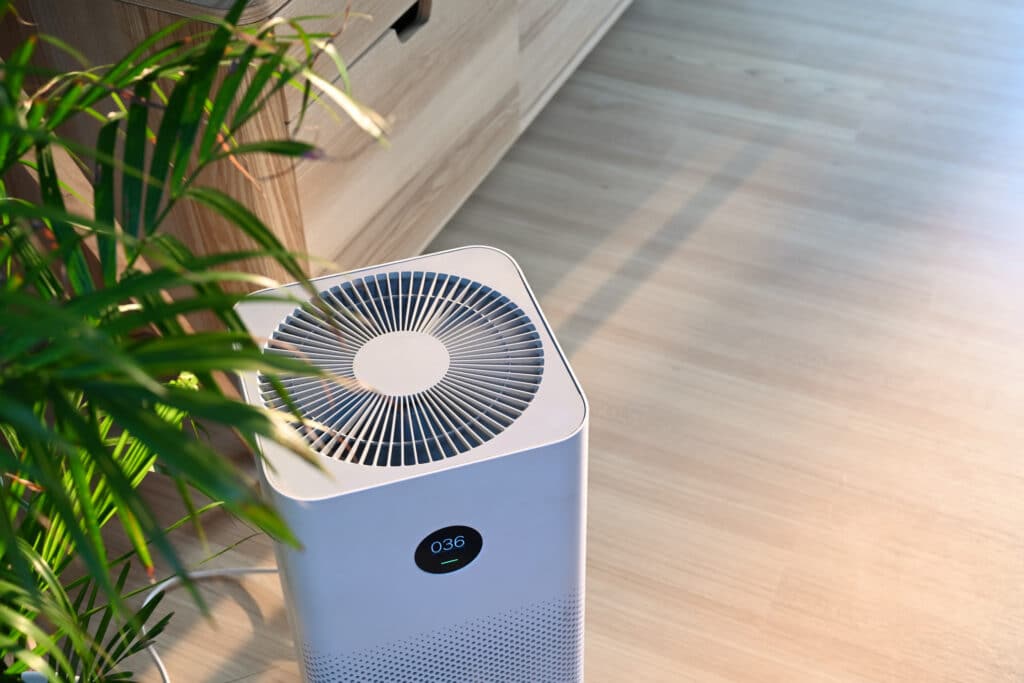
Air purifier on light wooden floor in comfortable home, with a potted house plant to the left.

As summer arrives in Chicago, keeping your indoor air clean and fresh can be challenging due to rising temperatures, pollution levels, and humidity. The Chicago metro area often experiences higher levels of smog and dust during summer.

The American Lung Association’s 2024 “State of the Air” report named it one of the most polluted regions in the country. This can be alarming information to homeowners, but don’t worry. Improving your indoor air quality is manageable with the right strategies and solutions.

At Comfort Zone Service, we help you breathe easier and stay comfortable all summer with proactive measures to reduce pollutants, enhance ventilation, and maintain your HVAC system efficiently.

Clean Your Floors

The air in your home doesn’t stay in one place. It moves from room to room, from outside to inside, carrying dust, allergens, and other particles that settle on your floors.

Regular vacuuming, sweeping, and mopping help reduce these pollutants, keeping your indoor air cleaner and healthier. Keeping shoes off indoors can also reduce dirt and contaminants, keeping your home fresher.

Change Your Filter

How often do you change your air filter? You should change it every one to three months. An air filter traps many of the allergens and pollutants that flow through your ductwork. However, once your air filter gets full and clogged, it can be difficult for your AC to work properly and stop these pollutants from reaching your air.

Close Your Windows

Keeping your windows open can seem like a good way to cool your home, but it can be more harmful than you think. In addition to fresh air, it also lets in dust, pollen, and other pollutants, worsening your indoor air quality. Keep windows and doors closed as much as possible to promote cooler, cleaner air in your home.

Control Your Humidity Levels

High humidity can lead to mold and dust mites while low humidity can dry your skin and make breathing uncomfortable. Aim for a humidity level between 30% and 50% to keep your home comfortable.

Depending on your home’s needs, a dehumidifier or humidifier can help you reach the ideal humidity level. This way, you’ll keep the air comfortable and healthy and reduce allergens.

Schedule HVAC Tune-Ups

Over time, dust, allergens, and other particles can build up in your system, reducing its efficiency and contaminating the air you breathe.

We recommend scheduling heating and cooling system inspections and tune-ups at least twice a year to keep everything running smoothly and ensure the best air quality. This helps catch any issues early and keeps your home safe.

Improve Indoor Air Quality Today

Comfort Zone Service provides homeowners in Chicago with residential HVAC services to ensure their homes remain comfortable. From quality heating and cooling solutions to reliable indoor air quality services, trust our NATE-certified, background-checked, and drug-tested technicians to get the job done right — one trip guaranteed.

Ready to improve your indoor air quality in Chicago? Contact Comfort Zone Service to schedule indoor air quality services and breathe fresher air.

  • 1
  • 2

Book Online