
  • Proudly family-owned, serving our community with care

How To Prepare Your Water Heater for a Chicago Winter

Technician adjusting temperature on a white tank water heater

Winters in Chicago can be harsh, with freezing temperatures that can take a toll on your home’s appliances, including your water heater. Neglecting proper winterization of your water heater can lead to a host of issues, from decreased efficiency to potential breakdowns.

To ensure a steady supply of warm water throughout the coldest months, here are some essential steps to prepare your water heater for a Chicago winter.

[cta_shortcode]

Insulate Your Storage Tank & Pipes

One of the key ways to protect your water heater from the winter chill is to insulate the storage tank and pipes. Insulation helps retain heat, reducing the workload on your water heater and preventing energy wastage.

Wrap your water heater tank with an insulation blanket, readily available at hardware stores. Also insulate the exposed water pipes. This simple step goes a long way in maintaining water temperature and energy efficiency.

Adjust the Temperature

While it might be tempting to crank up the temperature on your water heater during winter, it’s crucial to strike a balance. Setting the temperature too high not only poses a scalding risk but can also lead to increased energy consumption.

The recommended temperature setting is around 120 degrees Fahrenheit. This ensures a comfortable water temperature while minimizing the risk of overheating and energy wastage.

Flush the Tank

Over time, sediment and minerals can accumulate at the bottom of your water heater tank, affecting its efficiency. Before winter sets in, take the time to flush the tank. Connect a hose to the drain valve at the bottom of the tank and let it run until the water runs clear.

This simple yet effective maintenance task helps prevent sediment buildup, ensuring your water heater operates at peak performance.

[cta_shortcode]

Set Safe Winter Temperature

Follow these steps to safely set the temperature for your water heater in colder weather.

Step 1: Set the thermostat to 120-125°F

Chicago winters make hot showers feel extra nice, but cranking your water heater too high is not the way to get them. For most homes, a winter setting between 120 and 125 degrees Fahrenheit hits the sweet spot. That range keeps showers comfortable, helps reduce bacteria growth in the tank, and cuts down on wasted energy from overheating the water. If you are not sure where your dial sits now, take a moment to check it before the coldest weather hits.

Households with young kids or older adults may want to stay closer to 120 degrees to lower the risk of scalding at the tap. If your water never feels warm enough at that setting, it is a sign to talk with a pro about sizing or performance instead of turning the dial higher. For help dialing in the right setting and checking that your system is heating the way it should, schedule professional water heater service before deep winter sets in.

Step 2: Test the TP valve for safe operation

The temperature and pressure relief valve, or TP valve, is a small safety device that protects your tank if pressure or temperature climbs higher than it should. It is usually located near the top of the tank, with a small lever and a discharge pipe that runs down the side. If this valve sticks or fails, your water heater can run in dangerous conditions.

During fall maintenance, a technician will check that the valve moves freely and that the discharge line is clear and directed to a safe location. If you ever see water dripping from the TP pipe or pooling around its end, treat that as a warning that the valve or the system needs attention. Do not plug or cap this pipe. Instead, have a licensed plumber inspect the valve and the tank so your water heater keeps its built-in safety protection.

Flush Sediment and Check the Anode

Step 3: Drain 2-3 gallons to purge sediment

Chicago’s water can leave a layer of minerals and grit at the bottom of your tank as months go by. That sediment forces the burner or heating element to work harder and can make the water heater noisier when it runs. As part of your winter prep, it helps to have a plumber drain two or three gallons from the tank through the drain valve.

That small draw pulls a good amount of sediment out without taking the whole system offline for long. The water should start cloudy and gradually clear as sediment washes away. If the water never clears, or if the valve is stuck, that is a sign your tank needs more attention than a quick rinse. A professional can handle this task safely, check the drain valve, and recommend any needed water heater repair if they spot leaks, rust, or other trouble during the flush.

Step 4: Inspect the anode rod and replace if needed

The anode rod inside your tank does the silent work that makes a big difference for winter reliability. It is a metal rod, usually magnesium or aluminum, that slowly corrodes to prevent the steel tank from rusting as quickly. When the anode is in good shape, it attracts corrosion and helps the tank last longer. When it wears down to a thin core, the tank loses that protection and can start to rust from the inside.

During a seasonal check, a plumber can remove the anode rod, look for heavy pitting or a very thin remaining core, and replace it if needed. This is not something to guess at on your own, since it involves working with pressurized, hot water and threaded fittings on top of the tank. Regular anode checks are an easy way to support a longer tank life and fewer winter surprises.

Insulate and Freeze-Proof Your Tank

Step 5: Insulate pipes and add a tank blanket in unheated areas

In Chicago, any water heater that sits in a cold garage, unfinished basement, or drafty utility room needs extra protection once the temperature drops. Insulating the first several feet of hot and cold pipes above the tank helps keep heat in the water and lowers the risk that a cold snap will freeze a line near the heater. Foam pipe sleeves are a simple upgrade a technician can add during a visit.

In some setups, a properly rated tank blanket can also help the heater hold heat in a cold space, which reduces strain on the burner or elements and helps the tank recover more quickly after heavy use. If your current unit is in a tough location or you have had freeze scares in the past, it might be time to discuss relocating the system or planning a future water heater installation that better suits your home. A quick insulation check now can make winter mornings a lot less stressful.

Schedule Water Heater Maintenance in Chicago

Regular maintenance is key to the longevity and efficiency of your water heater, especially in the face of winter challenges. Consider scheduling professional maintenance with a trusted company like Comfort Zone Service.

As a family-owned and -operated business, we understand the unique demands of Chicago winters. Our same-day service ensures that your water heater receives prompt attention, minimizing the risk of unexpected issues.

By joining the Comfort Club, you gain access to added perks, including repair discounts and warranties. Routine maintenance prevents potential problems and maximizes energy efficiency, saving you money in the long run.

Don’t wait until winter is in full swing — schedule your water heater maintenance today to stay ahead of the cold weather.

Schedule water heater maintenance today by calling Comfort Zone Service at [site_info_phone_number].

How to Lower Your Heating Bills in Orland Park Before the First Freeze

A high efficiency furnace and ductwork in a basement utility room.

As winter approaches in Orland Park, energy costs begin to rise as furnaces run nonstop to combat the dropping temperatures. Minor problems in your heating system could mean big spikes in your utility bill if you wait too long to address them. Taking action now helps you lower energy use, avoid emergency breakdowns, and keep your home cozy when the mercury falls. At Comfort Zone Service in Orland Park, IL, we advise homeowners on proactive steps to prepare their HVAC before the first cold snap.

Schedule Annual HVAC Maintenance

Your heating system requires an annual check to operate at peak efficiency and deliver reliable warmth throughout the winter. Each year, dust and debris accumulate on blower motors, burners, and heat exchangers, diminishing airflow and forcing the furnace to work harder. That extra effort increases energy consumption by as much as 15% during peak heating months. When you schedule annual HVAC maintenance in Orland Park, our technicians will inspect the combustion safety controls, tighten electrical connections, and lubricate moving parts. They measure flue gas to confirm proper venting and test thermostat accuracy so that your system heats only when necessary. Regular servicing also uncovers small issues, such as worn belts or a failing inducer motor, that could mean a full system shutdown in the heart of winter.

Seal Leaks and Improve Insulation

Heat escapes through gaps around windows, doors, and attic hatches, forcing your furnace to cycle more often. Air leaks in older homes could mean cold drafts that leave rooms unevenly heated, and the constant on-off cycling shortens equipment life. A professional assessment pinpoints common loss areas: weatherstripping that has worn thin around doors, gaps in window frames, and loose duct connections in unconditioned spaces. Technicians seal those openings with high-performance caulk or low-expansion foam to stop drafts at the source. They also inspect attic insulation levels; missing or compressed batts can expose your ceiling to freezing air above and heat loss below.

Adding insulation to rim joists and knee walls creates a tighter envelope that holds heat inside longer. Skilled crews handle attic work safely and avoid insulation gaps that often arise with DIY approaches. For a deeper look at indoor climate control, ask about how you can improve indoor air quality in your home with air-sealing upgrades.

Upgrade to a Smart Thermostat

Manual thermostats often leave the heat running when you don’t need it or shut off too early when everyone is still at home. Upgrading to a programmable or smart thermostat adapts your heating schedule to daily routines, reducing energy waste. With intuitive learning features, these devices observe patterns when you leave for work, return in the evening, or go to bed.

The result is a more responsive system that maintains comfort while trimming as much as twenty percent off your heating costs. Our thermostat installation services include professional wiring, calibration, and user training so that you make the most of every feature.

Replace Air Filters Regularly

A clogged air filter chokes off airflow, making your furnace strain to pull enough air through the heat exchanger. Restricted circulation could mean incomplete combustion and higher carbon monoxide risk, aside from driving up energy bills. Fresh, high-quality filters restore full airflow, protect internal components, and capture more dust and allergens. In homes with pets or allergy sufferers, upgrading to high-efficiency air filtration systems traps finer particles, improving both system performance and indoor air quality. A professional installation ensures the filter rack seals around the filter media so that air flows through the filter rather than around it.

Consider an Energy-Efficient Furnace Upgrade

Furnaces older than 15 years often operate at 70 to 80 percent efficiency, meaning up to 30% of the heat escapes through the flue unused. Upgrading to a modern, energy-efficient model that operates at ninety-plus percent AFUE (Annual Fuel Utilization Efficiency) cuts wasted heat dramatically.

A new furnace also features advanced variable-speed blowers that match airflow to each heating cycle and modulating gas valves that adjust flame size to demand rather than kicking on full blast each time. While replacement requires upfront investment, the payoff appears in lower heating bills and avoided emergency repairs common with aging equipment.

A professional assessment helps you weigh installation cost against expected annual savings, often delivering a return on investment within a few heating seasons. Our expert furnace installation team handles sizing calculations, duct compatibility checks, and permits, guiding you through each step to maximize comfort and efficiency.

Ready for Winter? Schedule Your HVAC Preparation Today

Our expert heating services in Orland Park cover furnace repair, installation, and full HVAC system care to keep your home warm and energy efficient all season long. Schedule your appointment through our easy online contact form and get ahead of the first freeze.

How To Improve Indoor Air Quality in Illinois Allergy Season

Young girl sneezing into a tissue, laying in bed at home.

Warmer weather in Illinois means the arrival of spring and beautiful flowers. Unfortunately, it’s also the start of allergy season. From early spring through late fall, homeowners in the area can experience a wide range of allergy symptoms thanks to the increase of pollen in the air.

The HVAC experts at Comfort Zone are here to help you eliminate these irritants in your home. From routine AC maintenance to powerful air purifiers, we offer a variety of indoor air quality solutions to keep your air fresh and clean. Below, we’ll share the common effects of allergens and how you can improve your indoor air quality year-round.

Allergy Season in Illinois

Allergy season in Illinois begins in early spring with the arrival of tree pollen from oaks, maples, and birches. As the weather gets warmer, grass pollen becomes the dominant allergen from Bermuda grass, Timothy grass, and Kentucky Bluegrass. Unfortunately, when these irritants get into your home, you can experience issues that include:

  • Sneezing, runny nose, and nasal congestion
  • Asthma flare-ups
  • Sinus infections
  • Poor sleep
  • Itchy eyes

How To Improve Your Air Quality During Allergy Season

We recommend taking the necessary steps to protect your home from pollen issues to ensure your health isn’t compromised this season. Our HVAC experts suggest:

  • Upgrade your air filters: Not all filters are the same. By switching to a high-quality option like HEPA filters or one with a higher MERV rating, you can ensure that they are efficiently trapping small particles like pollen, dander, and more. These filters should be replaced every one to three months to keep your system working correctly.
  • Schedule HVAC maintenance: During an AC tune-up with a professional, they will thoroughly clean and calibrate your system. A well-maintained system will have better airflow and is less likely to recirculate pollutants.
  • Keep your home clean: Allergens that make their way indoors can hide in carpets, bedding, and more. That’s why it’s important to keep your home clean. Vacuuming, dusting, and laundry can help eliminate the allergens floating through your home.
  • Ensure moisture balance: Proper moisture balance prevents dangerous mold and mildew growth while reducing allergens. Consider installing a whole-home dehumidifier to remove excess moisture from the air.
  • Install an air purifier: As a second line of defense, we recommend adding an air purifier to support your HVAC’s filtration. These systems are highly effective at removing airborne particles to keep your air clean.
  • Schedule duct cleaning: If your ductwork has dust and debris, it will be distributed throughout your home with cooled air. A professional duct cleaning can remove these contaminants from your home and create a healthier environment.

Schedule Air Quality Services in Orland Park

Keep your home allergen-free this spring with air conditioning and air quality services from the team at Comfort Zone. We’re proud to provide Orland Park homeowners with superior service from NATE-certified experts who are always prompt and reliable. With affordable service and savings through our Comfort Club, your health and comfort this spring doesn’t have to break the bank.

Call Comfort Zone today to schedule service in the Orland Park area.

6 Common Water Heater Problems & Troubleshooting Tips

Gray tank water heater next to blue tool box on floor in a basement.

You shower, wash dishes, run your washing machine, and do other water-related tasks throughout the day, never thinking about your water heater — until it malfunctions.

If you’re left looking for answers, don’t panic. Here, Comfort Zone Service dives into the six most common water heater issues and provides solutions to address them effectively.

Common Water Heater Issues & Tips To Fix Them

While DIY solutions are generally not suggested, you can try these tips to troubleshoot common water heater issues:

Lack of Hot Water

This problem can be caused by a faulty thermostat or broken heating element. If you have a gas heater, it can be caused by the pilot light.

To troubleshoot this problem, you’ll want to check your power supply to ensure your water heater is receiving power and inspect the thermostat to verify it’s properly set. For electric water heaters, you’ll want to examine your heating element using a multimeter.

Strange Noises

Rumbling and banging noises are often caused by sediment buildup in the tank. To troubleshoot this issue, you flush your tank to remove the sediment buildup and check for loose parts.

Water Leaks

Leaks can develop as a result of corrosion, cracks, or loose connections. To troubleshoot this, inspect your tank for leaks via visual inspection of the appliance and surrounding pipes or connections. Then, check the temperature and pressure relief valves and drain valves to ensure your tank isn’t experiencing excess pressure and that the drain valve is fully closed.

Temperature Fluctuations

Issues with thermostats or heating elements can result in inconsistent temperatures. To troubleshoot, inspect your thermostat to ensure it’s correctly set and functioning, then check your heating element.

Discolored Water

Discolored water can indicate corrosion within the tank or issues with the sacrificial anode rod. To troubleshoot, check the anode rod. If it’s worn out, the tank may begin to corrode or leak, and the rod will need to be replaced.

Low Water Pressure

This can be caused by sediment buildup or plumbing issues. To troubleshoot, flush the tank and inspect your plumbing.

Foul-Smelling Water

A rotten egg smell can be caused by bacterial growth inside the tank. To troubleshoot this, flush the tank and consider installing a water softener or filtration system.

Limescale Buildup in the Tank

Hard water causes limescale buildup. To troubleshoot this issue, treat your water before it reaches the tank with a water softener or water heater filter. Then, clean the tank to eliminate the existing limescale.

When To Call a Professional

If you’ve tried to resolve your water heater problems through these simple solutions and you’re still having issues, it’s time to call a professional. Delayed repairs can lead to further damage or complete system replacement.

Hiring a professional guarantees you’ll get solutions that root out and address the repairs at the source, ensuring uninterrupted and reliable hot water for your home.

Schedule Water Heater Services With Comfort Zone

 At Comfort Zone Service, we’re committed to delivering exceptional water heater repairs for your home. Our NATE-certified, background-checked, and drug-tested technicians provide same-say solutions to get your hot water flowing again in no time.

Whether you’re dealing with a minor leak, a malfunctioning thermostat, or a complete system breakdown, our team has the skills and experience to diagnose and resolve the issue efficiently.

Turn to Comfort Zone Service for prompt, reliable, and affordable service every time. 

Call us today to schedule water heater repairs in the Orland Park or Mokena area.

Furnaces vs. Heat Pumps: Which Is Best for My Illinois Home?

A high-efficiency furnace and ductwork in a basement utility room.

Illinois faces brisk, snowy winters, so residents need a dependable heating system to maintain their comfort. However, many homeowners may not know which system best fits their needs. While furnaces and heat pumps are great heating options, they each have pros and cons to consider before you choose one.

Here, Comfort Zone Service explains the benefits and setbacks of heat pumps and furnaces to help you make the right choice for your Illinois home.

[cta_shortcode]

What’s the Difference Between a Heat Pump and a Furnace?

A heat pump uses electricity to move heat from the outdoors through the air or the ground, pulling it indoors to warm your home in the winter. During the summer, the hot air in your home is pushed back outdoors.

Gas furnaces operate by burning natural gas or propane to generate heat while electric furnaces are heated using electricity. The warm air is then distributed around your home through ductwork. Furnaces are common among Illinois homeowners because of their reliance and durability.

The Pros & Cons of Furnaces

Furnaces have been around forever, providing adequate and long-lasting heat for Illinois residents. However, while there are many pros, there are also some cons to consider.

Pros:

  • Longer lifespan (with proper maintenance)
  • More reliable heating
  • Cheaper upfront costs

Cons:

  • Gas isn’t always easily accessible
  • Higher risk for gas leaks and carbon monoxide leaks
  • Higher installation costs

The Pros & Cons of Heat Pumps

Heat pumps are designed to operate year-long depending on your needs, which makes them a versatile option for many people, but they aren’t always the perfect fit for homeowners. Some pros and cons of this system include:

Pros:

  • Excellent energy efficiency
  • Dual functionality
  • Cost-friendly

Cons:

  • Less efficient in colder climates
  • More expensive maintenance costs
  • Higher upfront costs

Heat Pumps vs. Furnaces: Which Is Best for the Illinois Climate?

After considering the pros and cons of heat pumps and furnaces, a furnace is typically the best option for heating an Illinois home. While heat pumps are generally more efficient in milder climates, in our cold Illinois winters, we’ll benefit more from the durability of a furnace.

Heat pumps may struggle to keep up with your heating needs in low temperatures. Your money will be better invested in a furnace when you need long-lasting heat and comfort.

Schedule Heat Pump or Furnace Installation

Comfort Zone Service offers comprehensive heating services Illinois residents trust. Since 1988, our family-owned and -operated company has delivered prompt, reliable, and affordable same-day services to Chicago and surrounding areas.

Our technicians are NATE-certified and background-checked for added peace of mind. We also offer a one-trip guarantee, financing options, and maintenance plans for a smooth experience. When it’s time to install a furnace or heat pump, choose Comfort Zone Service for unbeatable solutions.

Ready to get started? Schedule an appointment online or call Comfort Zone Service today.

2025 Fall HVAC Maintenance Checklist

Close view of a person in a winter jacket putting a cover over their outdoor AC unit beside a brick home.

As autumn settles in and temperatures begin to drop, it’s time to consider how to keep your home warm and comfortable during the winter. By following a few simple steps, you can ensure that your heating system runs smoothly and efficiently all winter.

The team at Comfort Zone Service is committed to your comfort. Here, we’ve created a handy 2025 fall HVAC maintenance checklist you can use to prepare your HVAC equipment for the cold weather.

17 Steps to Get Your Heat Ready

  1. Swap the Air Filter
    Check it now. Replace disposable filters or wash reusable ones. A clean filter protects the blower, evens out temps, and helps the system breathe. If you need the right size, see HVAC air filter replacements.

  2. Clear Space Around the Equipment
    Keep at least three feet of open space around the furnace or boiler. Store boxes and paints elsewhere. Good airflow and safe access matter.

  3. Vacuum Supply and Return Vents
    Remove vent covers and vacuum dust buildup. Make sure registers are open and not hidden under rugs or furniture.

  4. Clean Up Around the Outdoor Unit
    Remove leaves and debris around the condenser. Clear airflow helps during shoulder season operation and keeps the area safe.

  5. Check the Thermostat and Create a Fall Schedule
    Switch to Heat. Set a weekday plan with lower temps while you sleep or are away. If your control is dated, consider a thermostat replacement so schedules are easy to set and keep.

  6. Run a Full Heating Cycle Test
    Turn the heat on and let it run for several minutes. Listen for odd sounds. Check that warm air reaches every room and shuts off normally.

  7. Check Carbon Monoxide Protection
    Test CO detectors and replace batteries. Place at least one on each floor and near sleeping areas. Replace units that are past the manufacturer’s date.

  8. Inspect the Condensate Drain and Pump
    Pour a cup of water into the furnace condensate trap. Make sure it drains. Clear slime with an approved cleaner if needed.

  9. Look Over Visible Ductwork
    Seal small gaps at joints with UL-rated foil tape. Skip cloth duct tape. If some rooms never warm up, ask about airflow balancing to even things out.

  10. Set Winter Humidity
    Target 30 to 40 percent relative humidity. Replace the humidifier water panel if you have a whole-home unit. If you do not have one, a whole-home humidifier helps the house feel warmer at a lower setpoint.

  11. Bleed Radiators and Check Boiler Pressure
    For hydronic systems, bleed trapped air from radiators. Verify boiler pressure on the gauge when cool. If you notice leaks or persistent air, schedule boiler repair.

  12. Keep Baseboards and Radiators Clear
    Leave a few inches of space around baseboard heaters and radiators. Do not drape curtains over them. Clear dust with a soft brush.

  13. Reverse Ceiling Fans to Clockwise
    Run on low to gently move warm air down the walls. This evens out temperatures and allows a slightly lower setpoint.

  14. Check the Flue and Vent Terminations
    Make sure nothing blocks the exhaust or intake. Look for nests and leaves now, then check again after the first snow.

  15. Inspect the Furnace Switch and Doors
    Confirm the service switch is on. Reseat the blower door so safety switches engage. Loose panels can stop a system from running.

  16. Walk the Home With a Draft Check
    On a breezy day, feel around windows, doors, and attic hatches. Weatherstrip or caulk obvious leaks. Close the fireplace damper when not in use. For more ways to save once the cold arrives, see how to lower your heating bill.

  17. Schedule Professional Maintenance
    A fall tune up catches problems early, verifies safe operation, and keeps efficiency on track before the deep freeze. Book your heating tune up now. If your furnace is getting older, plan ahead with our guide to average furnace life span so winter does not surprise you.

Quick Signs You Should Call a Pro Now

  • You smell gas or see soot

  • The system short cycles or needs frequent resets

  • Water near the furnace or boiler

  • CO alarm sounds or if anyone feels ill

  • Rooms stay cold even after filter changes and vent checks

Simple Weekend Game Plan

  • Replace the filter and vacuum two return grilles

  • Flip fan direction and set a weekday heat schedule

  • Weatherstrip one drafty door and one window

  • Test CO detectors and write the replacement dates

  • Pick a date for your fall tune-up before the first hard freeze

Why Fall Maintenance Pays Off

  • Fewer breakdowns when the first cold front hits

  • Safer operation with combustion and venting checked

  • Steadier comfort from room to room

  • Better efficiency and lower run time through winter

Ready to Schedule

If you want a fast check and a clean start to heating season, schedule heating service. You can also look over our expert heating services, coupons, and financing options before you book.

Don’t wait until the first snowfall to think about your HVAC system. Call Comfort Zone Service today or request an appointment online.

Winter And Fall HVAC FAQs

What Thermostat Setting Saves Money In Winter?

Most homes feel comfortable near 68 to 70 degrees when occupied. Lower the setting when you sleep or leave for the day and bring it back up before you wake or return. Small setbacks like this can lower your heating bill without sacrificing comfort.

How Often Should I Replace My Furnace Filter In Cold Weather?

Check monthly during heavy use and replace at least every 90 days. Homes with pets, renovations, or allergies may need more frequent changes. A clean filter improves airflow and helps the system run shorter cycles.

What Humidity Level Is Best For Winter Comfort

Aim for 30 to 40 percent relative humidity. Dry air makes your home feel colder at the same thermostat setting. If you need better control, explore whole-home solutions for indoor air quality.

Why Does My Furnace Turn On And Off Frequently

Short cycling often points to restricted airflow or a safety control issue. Start with a fresh filter and make sure supply and return vents are open. If cycling continues, schedule a check for heating repair so the system runs safely and efficiently.

Tips To Improve Indoor Air Quality This Summer

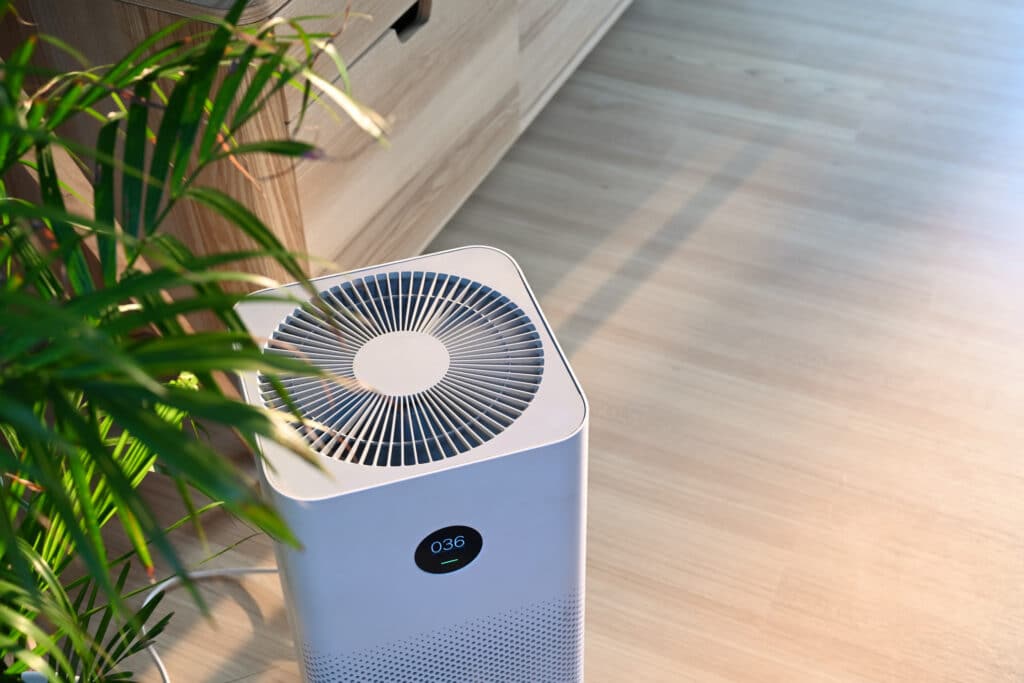
Air purifier on light wooden floor in comfortable home, with a potted house plant to the left.

As summer arrives in Chicago, keeping your indoor air clean and fresh can be challenging due to rising temperatures, pollution levels, and humidity. The Chicago metro area often experiences higher levels of smog and dust during summer.

The American Lung Association’s 2024 “State of the Air” report named it one of the most polluted regions in the country. This can be alarming information to homeowners, but don’t worry. Improving your indoor air quality is manageable with the right strategies and solutions.

At Comfort Zone Service, we help you breathe easier and stay comfortable all summer with proactive measures to reduce pollutants, enhance ventilation, and maintain your HVAC system efficiently.

Clean Your Floors

The air in your home doesn’t stay in one place. It moves from room to room, from outside to inside, carrying dust, allergens, and other particles that settle on your floors.

Regular vacuuming, sweeping, and mopping help reduce these pollutants, keeping your indoor air cleaner and healthier. Keeping shoes off indoors can also reduce dirt and contaminants, keeping your home fresher.

Change Your Filter

How often do you change your air filter? You should change it every one to three months. An air filter traps many of the allergens and pollutants that flow through your ductwork. However, once your air filter gets full and clogged, it can be difficult for your AC to work properly and stop these pollutants from reaching your air.

Close Your Windows

Keeping your windows open can seem like a good way to cool your home, but it can be more harmful than you think. In addition to fresh air, it also lets in dust, pollen, and other pollutants, worsening your indoor air quality. Keep windows and doors closed as much as possible to promote cooler, cleaner air in your home.

Control Your Humidity Levels

High humidity can lead to mold and dust mites while low humidity can dry your skin and make breathing uncomfortable. Aim for a humidity level between 30% and 50% to keep your home comfortable.

Depending on your home’s needs, a dehumidifier or humidifier can help you reach the ideal humidity level. This way, you’ll keep the air comfortable and healthy and reduce allergens.

Schedule HVAC Tune-Ups

Over time, dust, allergens, and other particles can build up in your system, reducing its efficiency and contaminating the air you breathe.

We recommend scheduling heating and cooling system inspections and tune-ups at least twice a year to keep everything running smoothly and ensure the best air quality. This helps catch any issues early and keeps your home safe.

Improve Indoor Air Quality Today

Comfort Zone Service provides homeowners in Chicago with residential HVAC services to ensure their homes remain comfortable. From quality heating and cooling solutions to reliable indoor air quality services, trust our NATE-certified, background-checked, and drug-tested technicians to get the job done right — one trip guaranteed.

Ready to improve your indoor air quality in Chicago? Contact Comfort Zone Service to schedule indoor air quality services and breathe fresher air.

The Pros & Cons of Ductless Mini-Splits for Illinois Homes

Ductless mini-split system on white wall in living room.

Ductless mini-splits are an excellent system to install in some Illinois homes, while other types of heating and cooling systems may be a better option depending on the home’s needs. Many different factors must be considered to determine whether a mini-split system is the right option for you.

Here, Comfort Zone Service covers the basics of ductless mini-splits and discusses the advantages and disadvantages of installing these systems in your home.

What Are Ductless Mini-Splits & How Do They Work?

A ductless mini-split, also known as a ductless HVAC system, is a heating and cooling system that operates without ducts. Instead, it has individual units in each room that are connected to an outdoor compressor by refrigerant tubing and electrical wiring.

Here’s how ductless mini-splits work:

  1. Warm air from the room blows over evaporator coils in the indoor unit, which are cooled with refrigerant.
  2. The refrigerant absorbs the heat and transfers it to the outdoor unit.
  3. The outdoor unit then sends cold air back to the room through the indoor unit.

The Benefits of Ductless Mini-Splits

Installing ductless mini-splits comes with several advantages, including:

  • Energy efficiency: Unlike other climate-controlling appliances, mini-splits require very little energy. While they use some electricity, the amount they use is not close to that used by traditional air conditioners.
  • Heats and cools: Mini-splits are an all-in-one product capable of producing both hot and cold air.
  • Quiet operation: The components of a mini-split are significantly quieter than standard ACs or furnaces.
  • Safe: Mini-splits don’t use gas and require small amounts of electricity, making them an extremely safe option.
  • Ideal for problem areas: If you have an area in your home that’s difficult to cool or heat, mini-splits are the perfect solution. They supplement the current system to address problem areas.

The Disadvantages of Ductless Mini-Splits

While the pros outweigh the cons, there are still a few things to consider before installing a ductless mini-split in your home:

  • Not great for extreme cold: Mini-splits sometimes struggle when the weather gets exceedingly cold, like below 20 degrees Fahrenheit.
  • Sometimes-complex installation process: For mini-splits to run efficiently, they must be positioned in a way that allows them to easily take in air. If not positioned properly, they may require excess amounts of energy to operate. Luckily, Comfort Zone Service’s technicians are skilled in ductless mini-split installation.

Schedule a Ductless Mini-Split Installation

Are you still unsure if a ductless mini-split is the right fit for your home? The experts at Comfort Zone Service are happy to help you explore ductless mini-splits as an option for your heating and cooling. Since 1988, we’ve provided Illinois residents with superior heating and cooling installations, repairs, and maintenance.

Call Comfort Zone Service today for ductless mini-split services in the Chicago area or request an appointment online.

Best Ways To Lower Your Electric Bill This Summer

Mother, father, and young daughter walking inside their house, smiling.

Summers in Chicago are known to be hot and humid. While cranking up your AC is a surefire way to keep cool, it can lead to steep electric bills. Fortunately, there are some tips you can take to achieve a comfortable space without overusing energy.

Below, Comfort Zone Service provides simple steps to maintain a refreshing home while cutting energy costs.

Tips for Lowering Your Electric Bill

Cutting back on utility bills without sacrificing comfort doesn’t have to be complicated. Some steps to take this summer include:

Install a Smart Thermostat

Smart thermostats are relatively affordable, and the installation process is easy. These devices allow users to adjust the temperature of their home effortlessly. You can program your preferred cooling schedule to keep your space cool when you’re home and raise the temperature when you’re away so less energy is consumed.

Unplug Devices

A great rule of thumb is to unplug your appliances when they’re not in use. Computers, gaming consoles, lamps, and other devices or electrical appliances can consume power without your knowledge. Unplugging them when you’re asleep or away on a trip is a great way to reduce energy consumption.

Replace Your Air Filter

Dirty, clogged air filters prevent your AC from producing cool air effectively. Cleaning off your filters or replacing them will ensure proper airflow so your unit doesn’t have to work harder and use more energy to cool your home.

Use Ceiling Fans

Before blasting the AC whenever you want to cool your space, consider using ceiling fans. Set your AC to a reasonable temperature and run your ceiling fan counterclockwise so it can push the air conditioning upward and circulate it around the room. In comparison, fans use less energy than AC units.

Install Window Treatments

As the sun shines through your windows, your home will warm up. Blackout curtains or blinds significantly decrease the sunlight and heat entering your home. As a result, your AC unit won’t have to work as hard to cool your space, and less energy is used.

Schedule HVAC Maintenance

Routine air conditioning maintenance should always be a priority. We recommend hiring a professional from Comfort Zone Service every spring to provide thorough inspections, cleanings, and tune-ups as needed, ensuring your AC is ready to meet your cooling needs each summer.

Schedule Service With Our Team Today

Established in 1988, Comfort Zone Service is a leading family-owned and -operated HVAC company in Southwest Chicago. We provide our community with superior AC services performed by NATE-certified, background-checked, and drug-tested technicians. Our team is licensed, insured, and ready to tackle any job you need.

We service all brands for your convenience. Depend on us for prompt, reliable, and affordable same-day service and a one-trip guarantee for added peace of mind. We also provide financing options to make the process seamless and stress-free.

Ready to enjoy energy-efficient cooling? Schedule an appointment online or call Comfort Zone Service today.

Is Your AC Saying Goodbye? 5 Signs It’s Time for a Replacement

Heating and air conditioning units used to heat and cool a house sitting on a concrete slab next to a house in Mokena.

As a homeowner, the need for upgrades, repairs, and maintenance can sometimes seem daunting, leaving you feeling overwhelmed and unsure, especially when it comes to your cooling system.

A good air conditioning unit is a significant investment that increases your property’s comfort, efficiency, and energy savings during the hot summer months. If you’re using an inefficient or older cooling system, it can be difficult to pinpoint the right time to replace your unit rather than repair it.

You’re not on your own! Air conditioning systems, like all major home appliances, don’t just give up and give out before it’s time for replacement — at least not always. There are early signs and indicators that it’s time to replace your AC system to ensure you’re making the most informed decision for your home and budget.

Below, Comfort Zone Service will break down five of the most common signs that it’s time to replace your old system with a newer one, considering factors like age, regular maintenance, and current performance levels.

Your Air Conditioning System is 10 Years or Older

The most obvious reason most homeowners elect to replace their air conditioning system is age. Because air conditioning equipment is exposed to changing outdoor environments, it tends to collect more wear and tear over time, diminishing longevity.

With regular maintenance, most homeowners can reap the benefits of a functional system that lasts between 10 and 12 years. However, once your air conditioning system reaches the 10-year mark or surpasses it, it’s essential to start considering replacement options.

Your Air Conditioning System Breaks Down Often

A frequently malfunctioning air conditioning system will eventually cost you more to repair than replace, especially if the warranty has expired. If your air conditioning system requires a mechanic to be at your home multiple times during the season, it’s a clear sign that it’s time to consider replacing it.

Constant breakdowns lead to frustration and discomfort and indicate underlying issues that may be difficult or costly to fix. While it doesn’t mean you have to rush out to purchase and install a new system, it does mean that your existing unit may not serve you much longer.

Common reasons for frequent breakdowns include:

  • Lack of regular maintenance
  • Wear and tear on aging components, electrical connections, and metal components
  • Improper installation and incorrect sizing

Increased Energy Bills  

Sudden changes in your home’s energy bills without any noticeable changes in usage patterns or external factors could indicate underlying issues with your air conditioning system.

A poorly functioning air conditioner often works harder to maintain your desired indoor temperature, leading to greater energy consumption and higher electrical bills. By replacing your system with a more energy-efficient model, you can enjoy the benefits of enhanced cooling and energy-saving comfort.

Your Air Conditioning System Uses R-22 Freon

January 2020 marked a major change in cooling systems — the U.S. stopped the production of R-22 Freon, a refrigerant used in ACs, to curb its negative environmental impact.

For systems that use R-22 Freon, finding and purchasing R-22 Freon for maintenance or repairs will be next to impossible. Homeowners may find it more practical to consider upgrading to newer, environmentally friendly systems that use alternative refrigerants before their systems give out.

Decreased Efficiency

Decreased efficiency in your cooling system can lead to longer cooling cycles, reduced cooling power, and excessive humidity in your home. Replacement is the only option when your system’s efficiency can’t be restored.

Upgrading your air conditioning system can significantly improve energy efficiency, providing both environmental benefits and cost savings. Modern AC units are designed to operate more efficiently, reducing energy consumption and lowering utility bills.

Plus, with state incentives like tax credits, you can make a smart investment that positively impacts your budget and the environment.

Replace Your AC Today

Comfort Zone Service proudly delivers comprehensive air conditioning services to Orland Park and Mokena residents. Our NATE-certified, background-checked, and drug-tested technicians provide expert installation and replacement services, ensuring your new AC system is installed correctly and efficiently.

Do you need a new system? Call Comfort Zone Service at [site_info_phone_number] today to schedule AC replacement services in the Orland Park and Mokena areas.

  • 1
  • 2

Book Online